Written by – Tawanda Mushweshwe
On 3rd December 2025, I had my first visit to the Ziwa National Monument in the Nyanga Highlands. This was an orientation visit to help me understand the nature of the site, which will assist me in preparing for our fieldwork scheduled for early next year, provided the weather allows. This fieldwork forms part of the broader aim of the AGRI-DRY Project, funded by the European Union’s Horizon Europe research and innovation programme under the Marie Skłodowska-Curie Grant Agreement No. 101120560. The project is also supported by the UKRI’s Engineering and Physical Sciences Research Council (grant number EP/Y03290X/1).
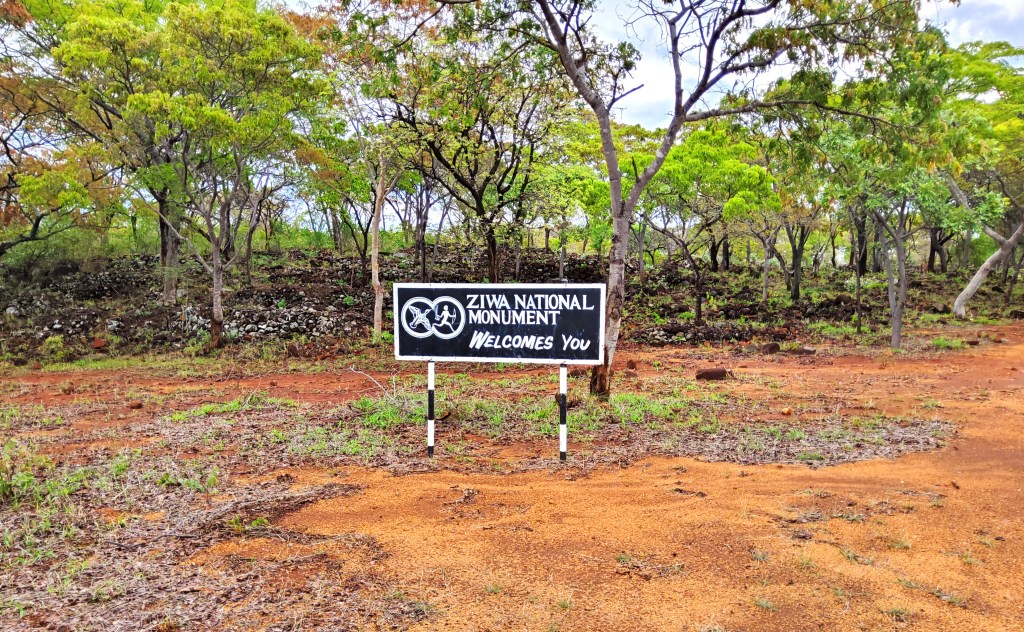
Before the Ziwa visit, I visited the Mutare Museum, which houses the offices of the National Museums and Monuments of Zimbabwe’s Eastern Region, whose mandate is to safeguard all forms of heritage resources in this part of Zimbabwe. After checking the validity and authenticity of my research permit, I met with Mr Sakarombe, the Museum Curator, whose knowledge of Ziwa is vast and unquestionable. I informed him about my research, which focuses on gaining archaeological insights into precolonial farming in the Nyanga Highlands through a multi-proxy investigation of the terraces at Ziwa National Monument. He advised me on ways in which this research could be fruitful, and we eventually parted ways.
With the aid of my relatives, I then went to Ziwa later that day. However, I was unable to carry out all the activities I had planned because it rained for most of the day. On the bright side, I managed to have a conversation with the Site Director, whose knowledge of Ziwa is undisputed. He explained the origins of the Nyanga Complex, the reasons behind its establishment, who was responsible for both early and later farming activities, particularly at Ziwa, and the stories behind the significance of Ziwa to local communities, especially the Saunyama people.
We then toured the museum, where artefacts ranging from the Stone Age to the Iron Age are on display. The museum includes a model of a free-standing terrace, as well as models of typical houses constructed by the precolonial farmers of Ziwa. We also visited a nearby stone-walled complex featuring a pit structure and several terrace fields. A few photographs were taken to capture these remarkable features. As it was getting late, we had to call it a day, part ways with our colleagues at Ziwa, and return home.
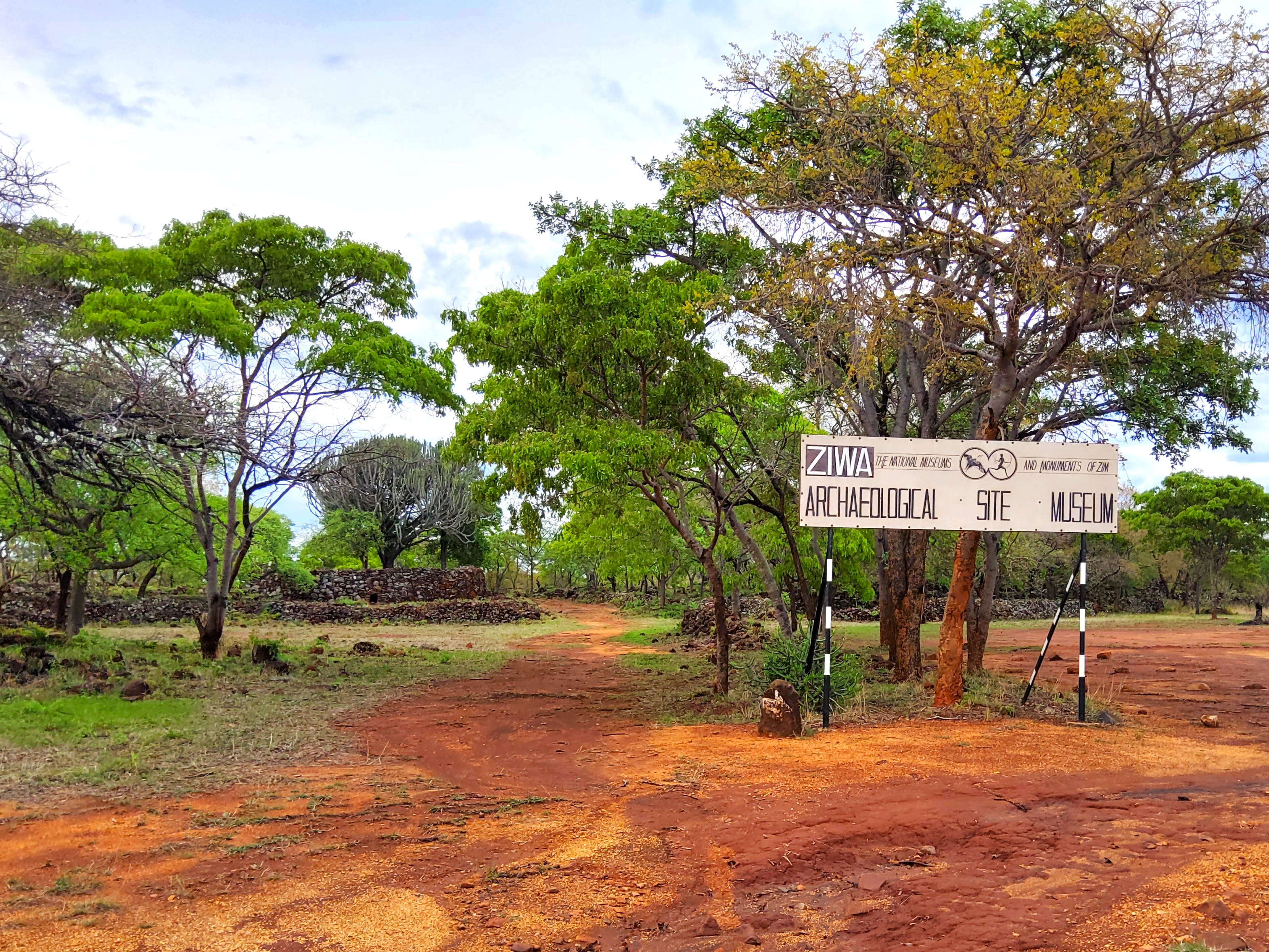
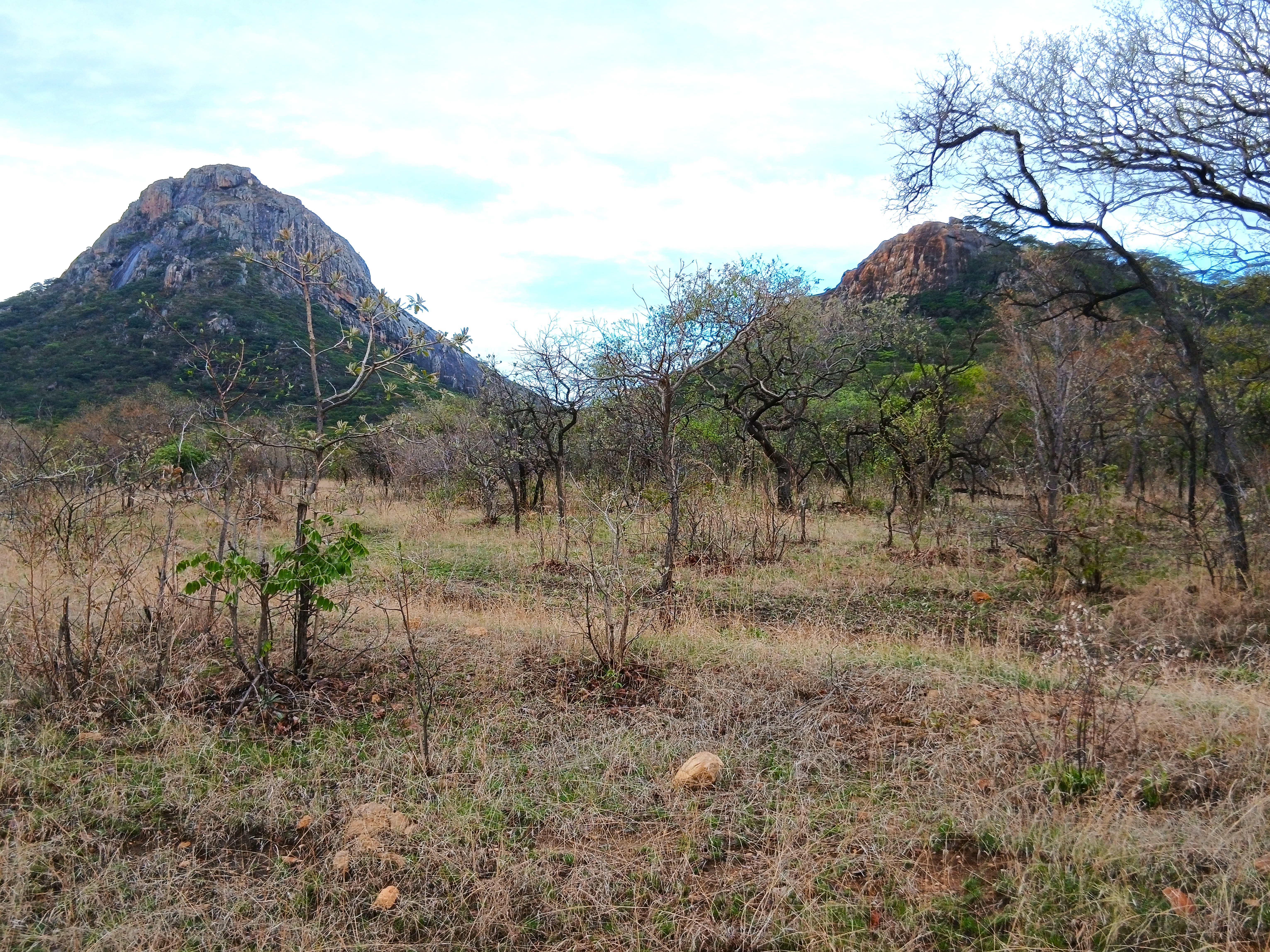
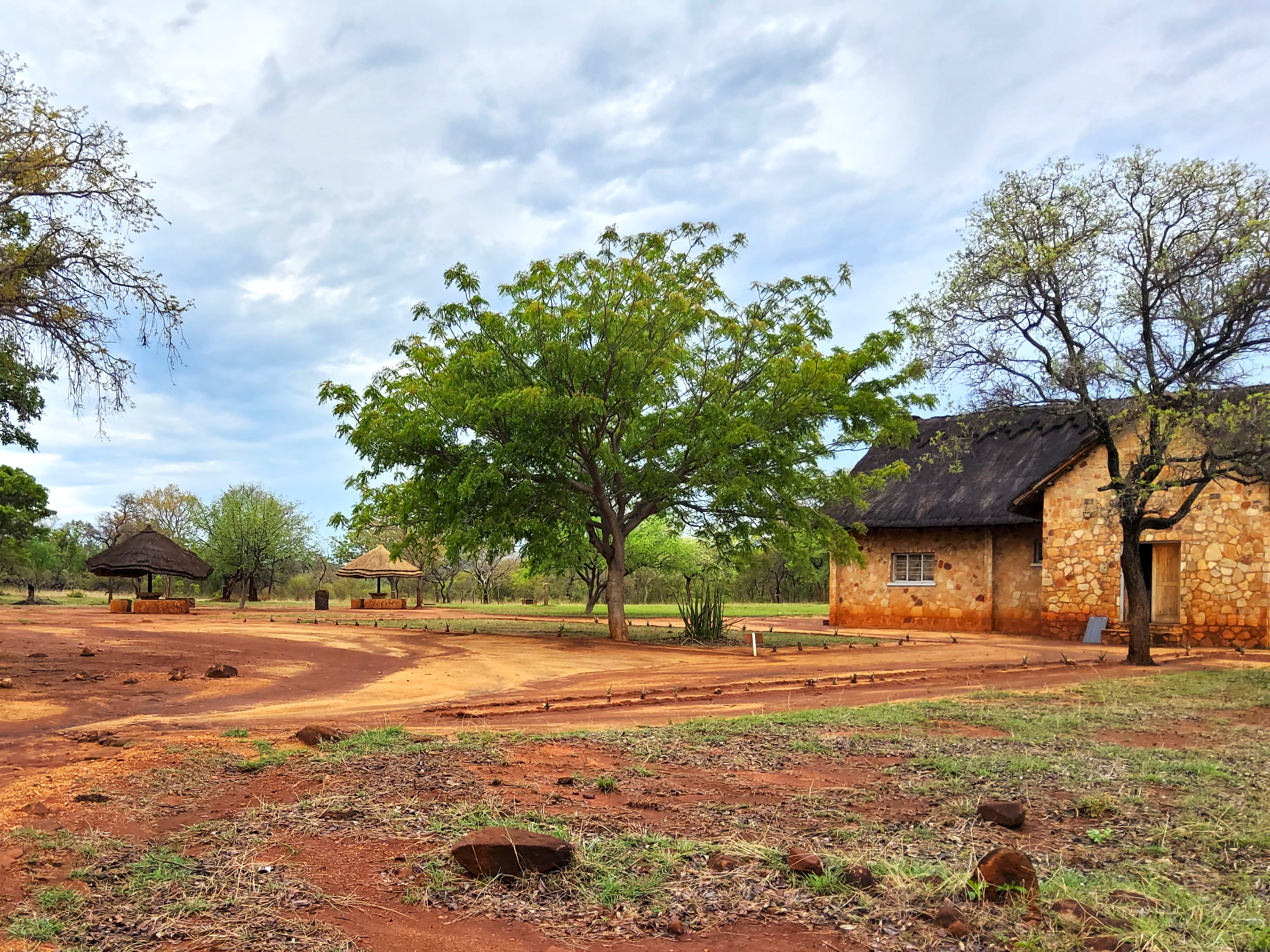
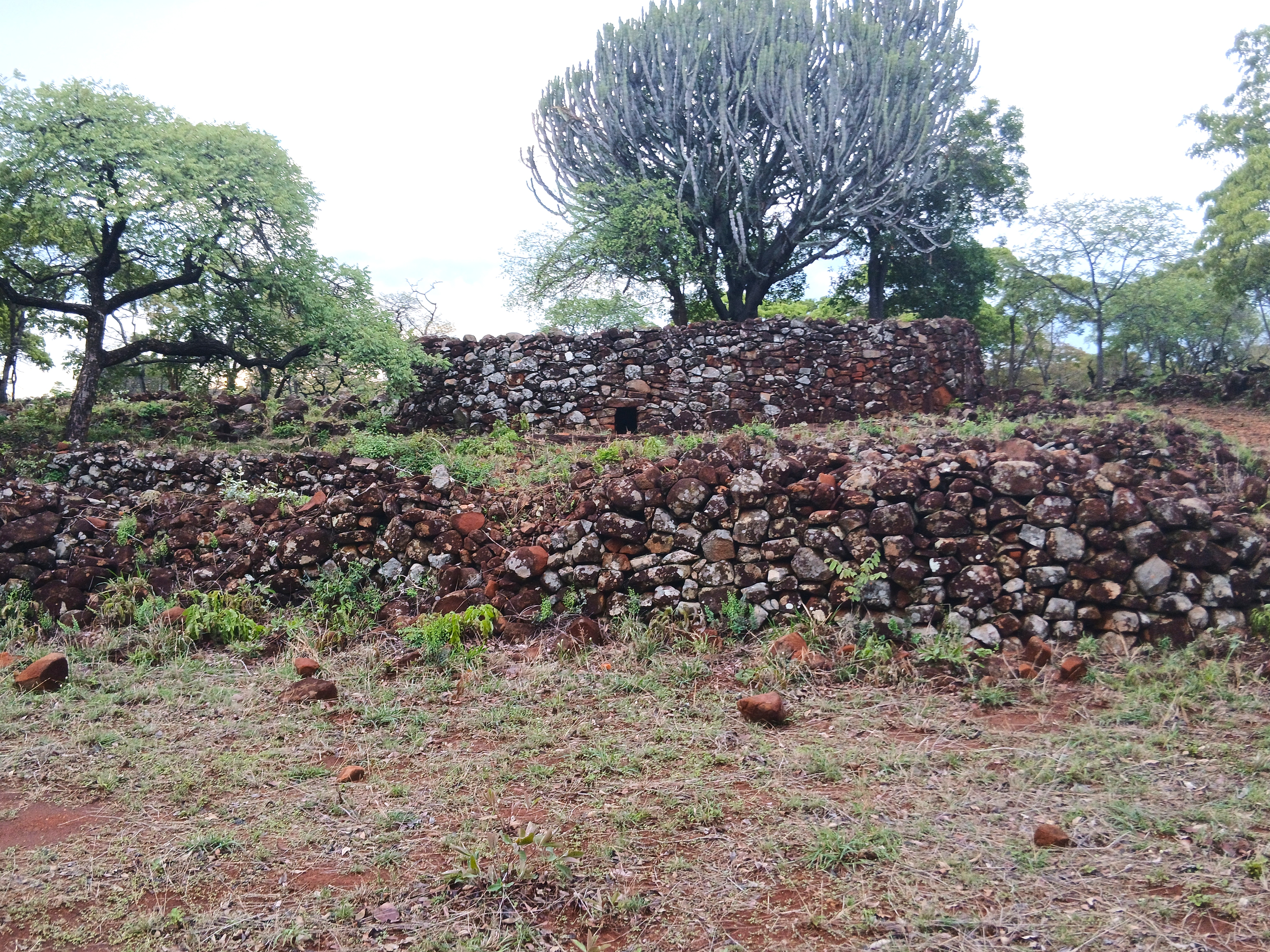
Selected views from Ziwa National Monument during an orientation visit ahead of fieldwork.
Overall, it was a very interesting visit, and I gained a deeper appreciation of the area despite the heavy rains. My intention is to visit Ziwa again, if weather and time permit, this time focusing on the extensive terraced fields of this majestic monument before the main fieldwork. This follow-up visit will further refine the scope of my research on how precolonial societies at Ziwa managed food production, with particular emphasis on the terraced system and its associated features.
🌱 Read more about Tawanda’s research
And keep following AGRI-DRY on LinkedIn and Instagram for all the exciting science coming up!

