Written by – Tawanda Mushweshwe
The life of a PhD candidate in archaeology is often romanticised as a chain of Indiana Jones moments, dusty adventures, dramatic discoveries, and the occasional golden idol. Anyone who has done fieldwork before or is planning to conduct one in Zimbabwe in 2026 knows better. The reality has far less to do with whip cracks and far more to do with spreadsheets, permits, logistics, and careful negotiation with the rainy season.
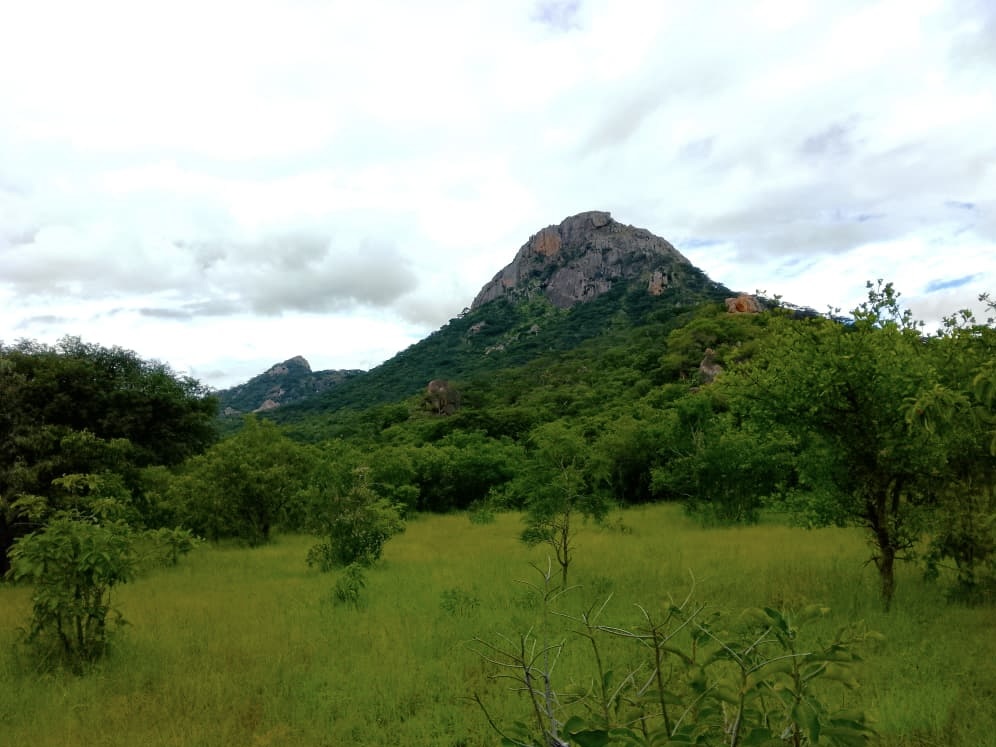
Mount Ziwa — part of Ziwa National Monument, Zimbabwe.
The struggle, indeed, is very real. Which raises the inevitable question: Is the juice worth the squeeze? Spoiler alert — it is. But not for the reasons people usually imagine.
The Struggle: A Masterclass in Logistics and Patience
Preparing for fieldwork in Zimbabwe is an exercise in what can only be described as extreme project management. Long before a single trowel hits the ground, you must wrestle with an administrative and logistical landscape that demands patience, precision, and perseverance.
1. The Permit Odyssey. Your first major hurdle is navigating the requirements of the National Museums and Monuments of Zimbabwe (NMMZ), headquartered in Harare. This is not a rubber‑stamp process. It requires detailed research proposals, ethical clearances (from your institution), clearly articulated methodologies, and crucially coordination with the relevant regional NMMZ offices, which hold authority over specific sites and landscapes.
2. Timing Is Everything (and So Is Everything Else). In Zimbabwe, the climate dictates your calendar. The ideal window for excavation typically falls between May and August, during the cooler, drier season. Attempt fieldwork in January and your trenches are likely to become swimming pools, courtesy of the summer rains.
Then comes the equipment. Sourcing tools and specialist gear requires advance planning and persistent follow‑ups, often complicated by limited availability, communication delays, or competing institutional demands. Add to this the challenge of assembling the right team, securing accommodation, arranging food supplies, organising transport, and managing a tight budget, and the scale of the undertaking becomes clear.
Fieldwork does not simply happen. It is built, piece by piece, brick by brick.
The Benefits: Why We Do It and Keep On Doing It
If the preparation is so gruelling, why bother? Because Zimbabwe offers some of the most profound archaeological insights on the African continent, and arguably the wider world.
1. Rewriting Global History. The majestic, terraced landscape of the Eastern Highlands where my research work is based, the fieldwork here actively dismantles colonial myths. It documents how precolonial African communities sustained themselves through highly coordinated agricultural systems, such as the terracing of the Nyanga Complex. These were not random or improvised responses to the environment, but the result of detailed ecological knowledge, social organisation, and long‑term planning.
2. Professional Resilience (the Quiet Reward). There is also a less visible payoff. If you can successfully plan and execute a two‑ or‑six‑week excavation in, at times, a remote Zimbabwean landscape; coordinating a team of ten or more people, balancing logistics and budgets, and maintaining scientific rigor under intense sun or biting cold, you leave the field with more than data.
You leave with resilience.
The so‑called soft skills of PhD fieldwork: problem‑solving, leadership, adaptability, endurance, become some of your hardest professional assets. After that, very little in academia (or beyond it) feels unmanageable.
The Bottom Line
The road to the field is paved with paperwork and potholes. But when you finally stand on-site at sunset or sunrise, looking over a landscape that holds a thousand years of both told and untold stories, the struggle fades. You are no longer just a student; you are a bridge between Zimbabwe’s vibrant past and its future.
So, is the juice worth the squeeze? Absolutely! But not because it is easy. Because it matters.
🌱 Read more about Tawanda’s research and his previous field visit
And keep following AGRI-DRY on LinkedIn and Instagram for all the exciting science coming up!
 AGRI-DRY