Category: Blog
-
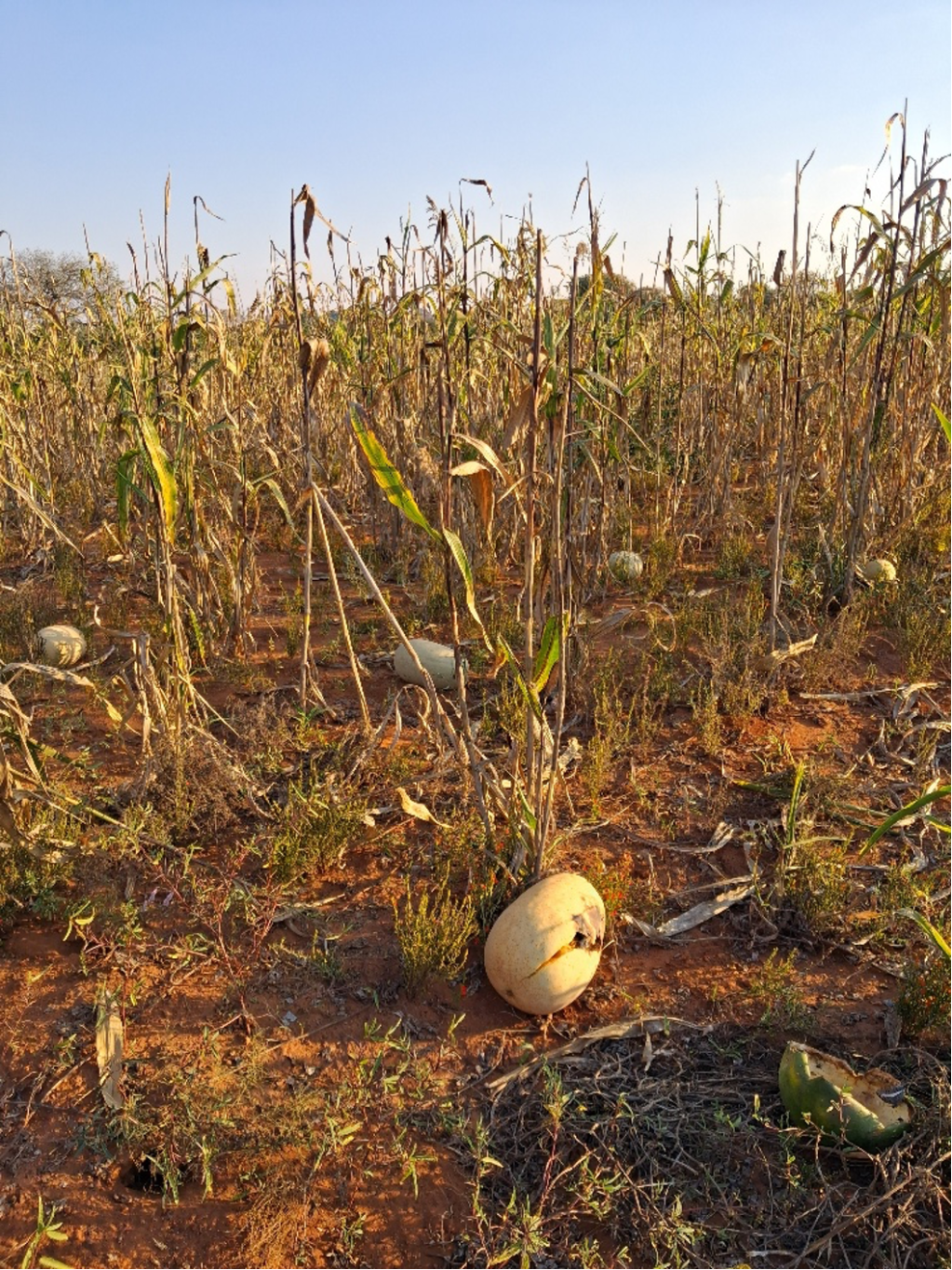
Seeds of Tradition: Ethnographic Fieldwork in the Bobirwa Region, Eastern Botswana
Written by Mncedisi Taala One of the best parts of my AGRI-DRY PhD journey is fieldwork. My research involves spending time in rural communities, learning firsthand how smallholder farmers are keeping dryland agriculture alive. It is not just research; it is stepping into their world, listening to their stories, and seeing how traditions and practices…
-
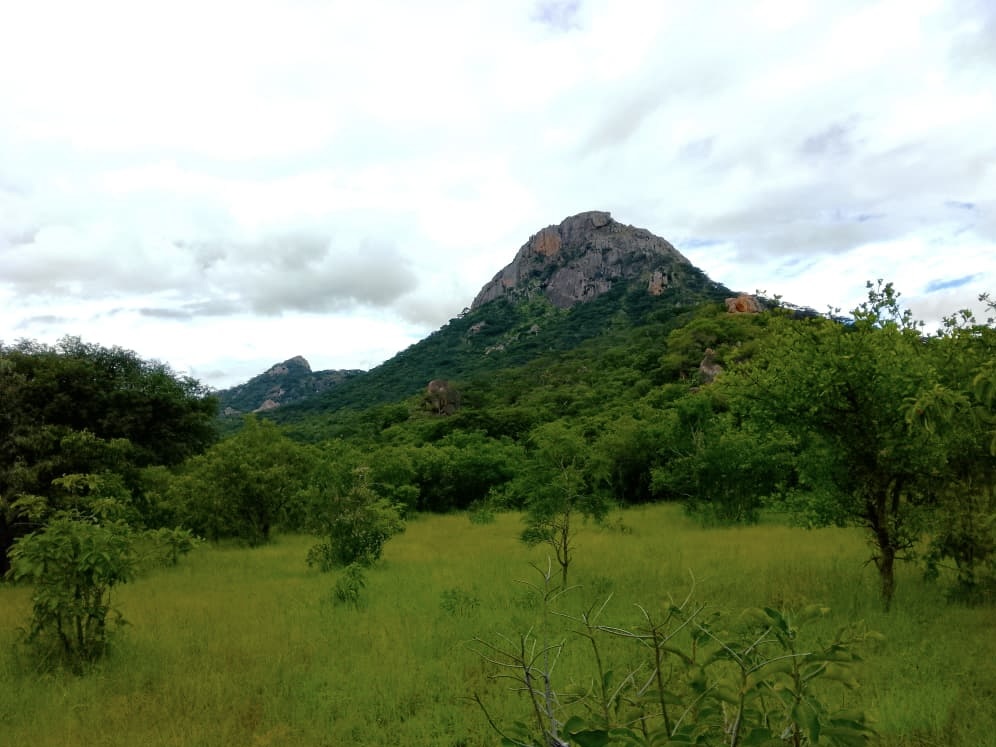
Is the juice worth the squeeze? The challenges and rewards of archaeological fieldwork
Written by – Tawanda Mushweshwe The life of a PhD candidate in archaeology is often romanticised as a chain of Indiana Jones moments, dusty adventures, dramatic discoveries, and the occasional golden idol. Anyone who has done fieldwork before or is planning to conduct one in Zimbabwe in 2026 knows better. The reality has far less…
-
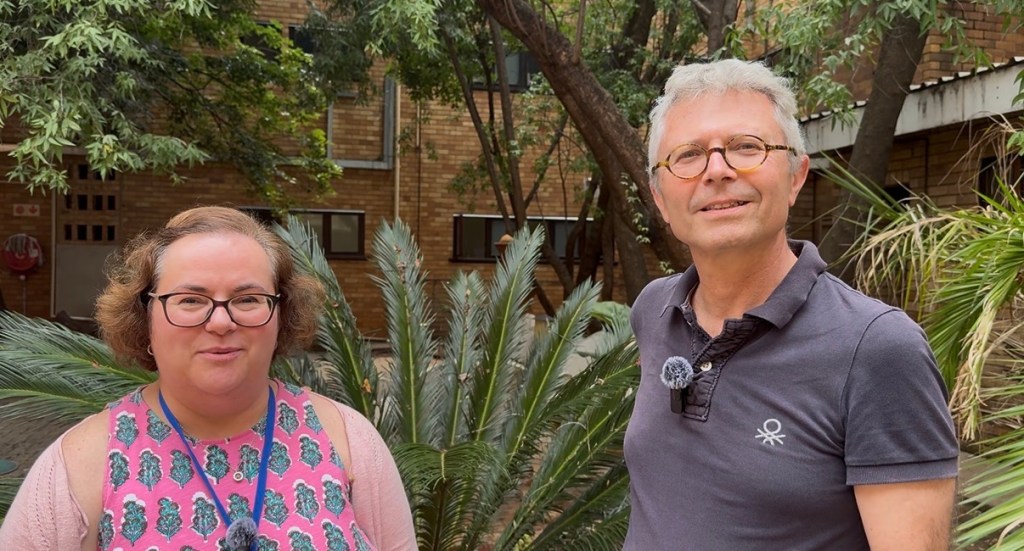
AGRI-DRY: Insights from Co-Leaders
Featuring Nicki Whitehouse & Marco Madella AGRI-DRY co-leaders Marco Madella and Nicki Whitehouse discussed the project’s aims and relevance. They answered the following questions: Follow us on 🔗 LinkedIn and 📸 Instagram
-
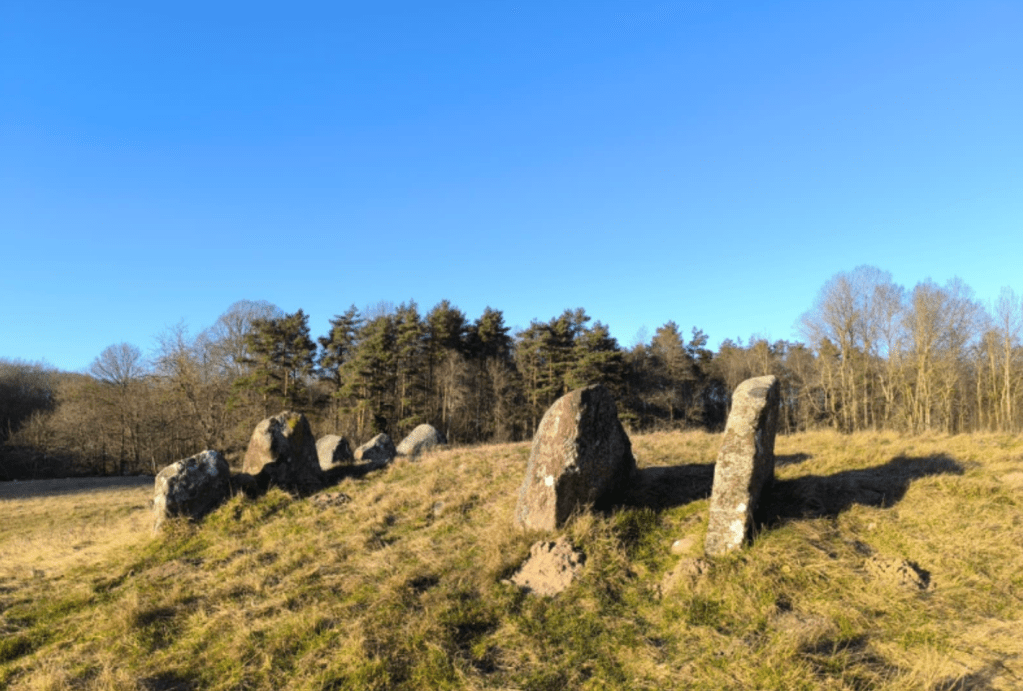
Developing a simulation model: the story of a productive research stay in Denmark
Written by Sara Krubeck After my first short visit to Aarhus University in Denmark last summer, I went back there in March for a full month. My goals for these weeks were to learn a simulation modelling approach called ‘agent-based modelling’ (in short: ABM) and to conceptualise such a model for my specific research project.…
-
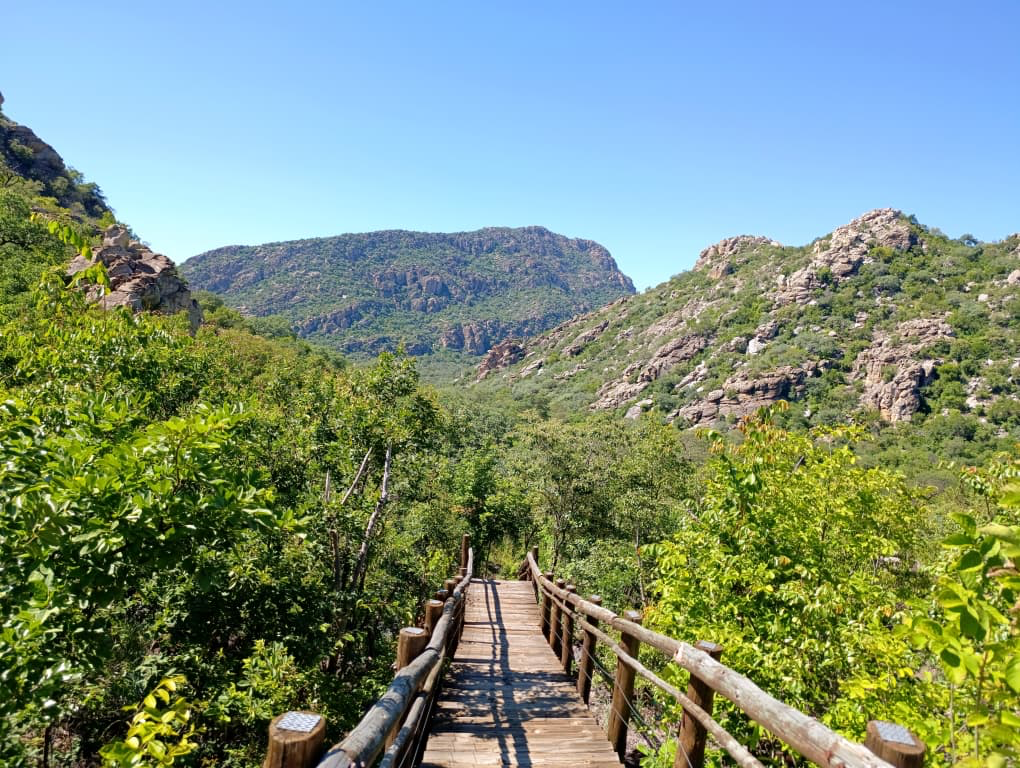
Walking the Research Path: Fieldwork in Northern Botswana
Written by Thamary Mukuya & Mncedisi Taala The first quarter of 2026 marked a milestone for the AGRI DRY team at the University of Botswana. Between March 14–21, we embarked on preliminary visits to Ngamiland and Chobe – an essential step before the data collection phase of our projects. Immersing in Landscapes and Communities. Our…
-
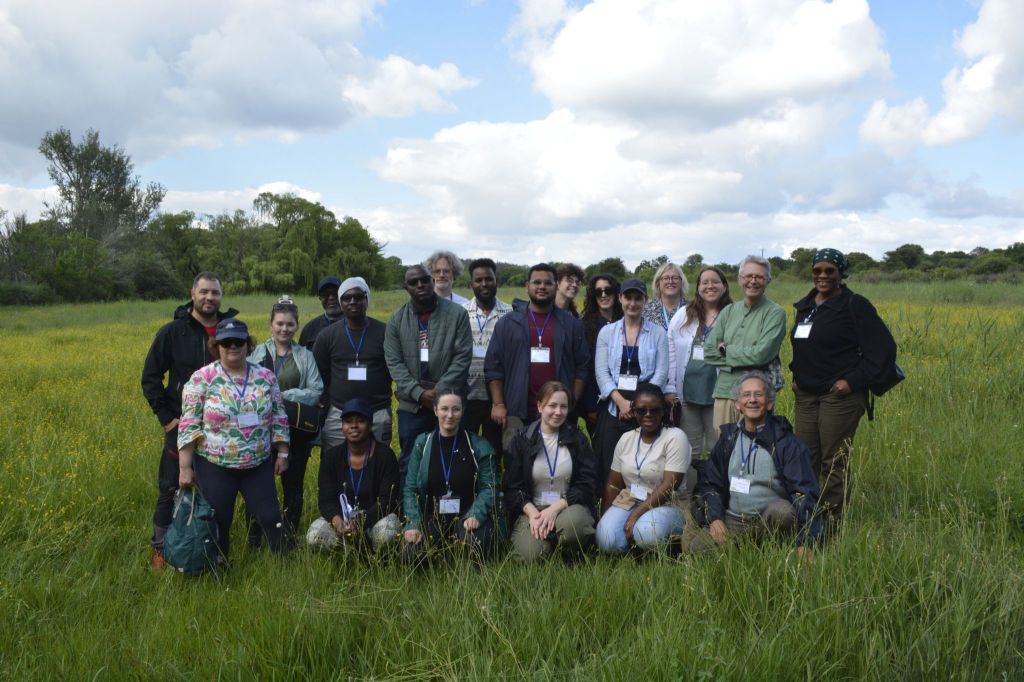
South African Summer School Recap
Featuring the AGRI-DRY team In November 2025, the AGRI-DRY research team came together to review the project’s progress and share insights during our Summer School. As we prepare for the next AGRI-DRY meeting in just a few weeks, we take a moment to look back at our presentations, workshops, and field trips in South Africa.…
-
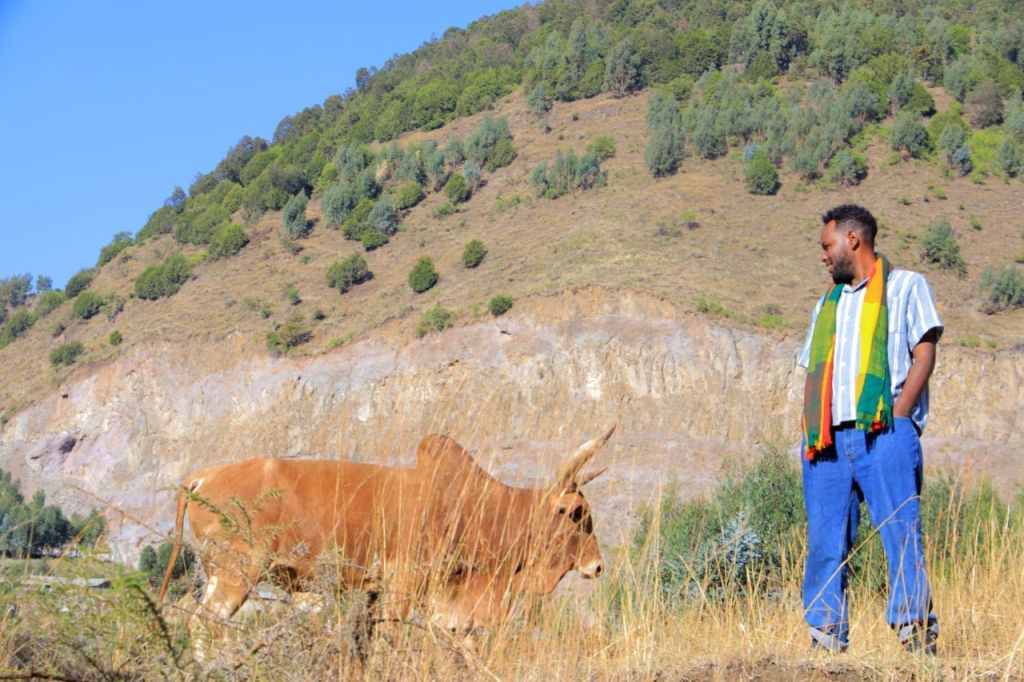
Tracing degradation patterns in Harbu: why preliminary field assessment matters
Written by Wudu Abiye In January, I travelled to Ethiopia to carry out a preliminary field survey. The aim of this visit was to gain a deeper understanding of the landscape before starting full-scale data collection. For this trip, I selected Harbu, a district in the Amhara Region, as one of the main study areas…
-
Building palynological expertise: AGRI-DRY student gaining experience in South Africa
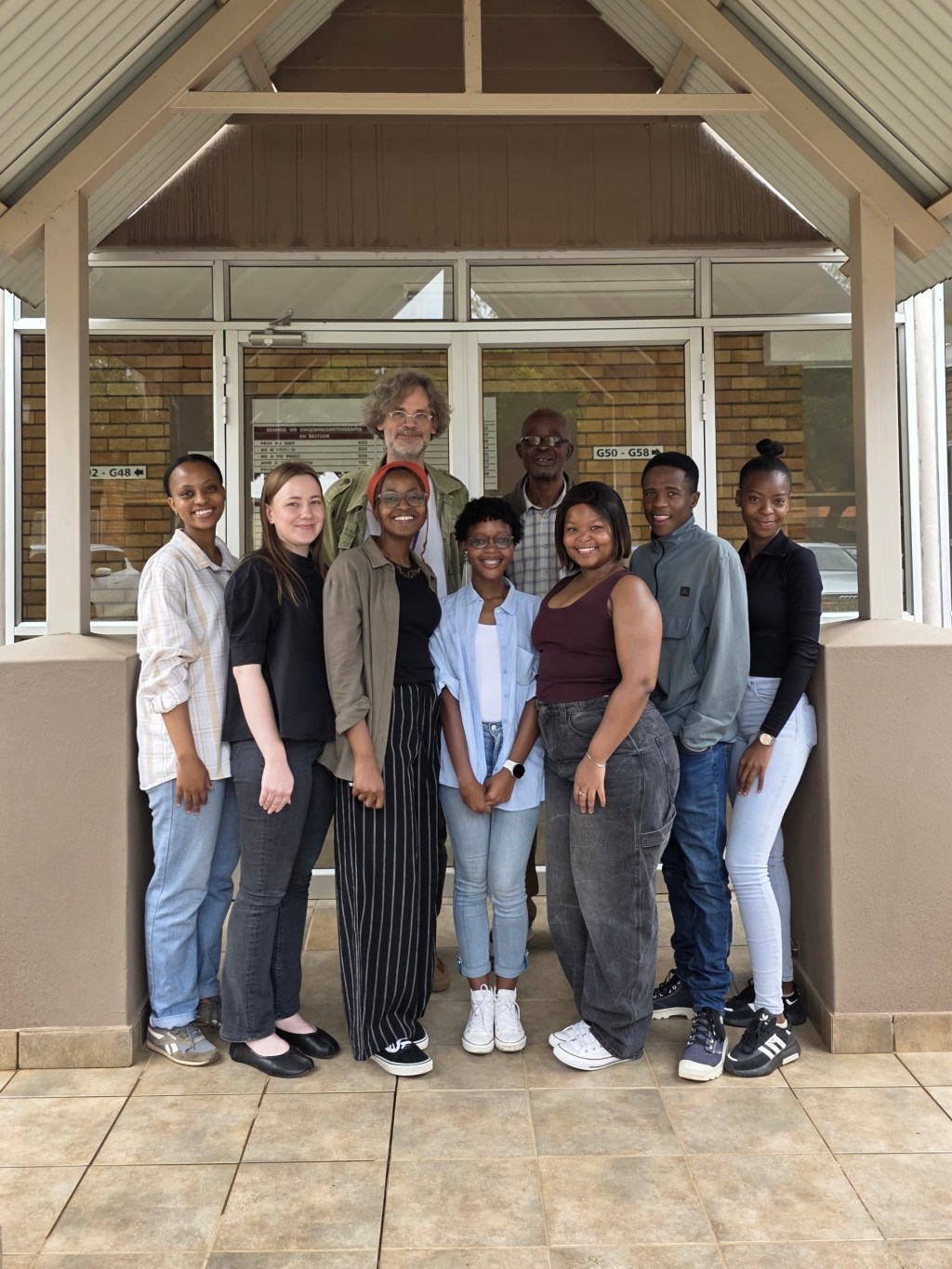
Written by – Alexandra Vasilyeva Following the AGRI-DRY Summer School in November, I stayed in South Africa for a few weeks to learn about local pollen types. It was a busy month of laboratory work and field work, with time also spent exploring the North-West University (NWU) Potchefstroom campus and the town. Secondment recap. People (in…
-
From archives to excavations: preparing for archaeological research at Ziwa
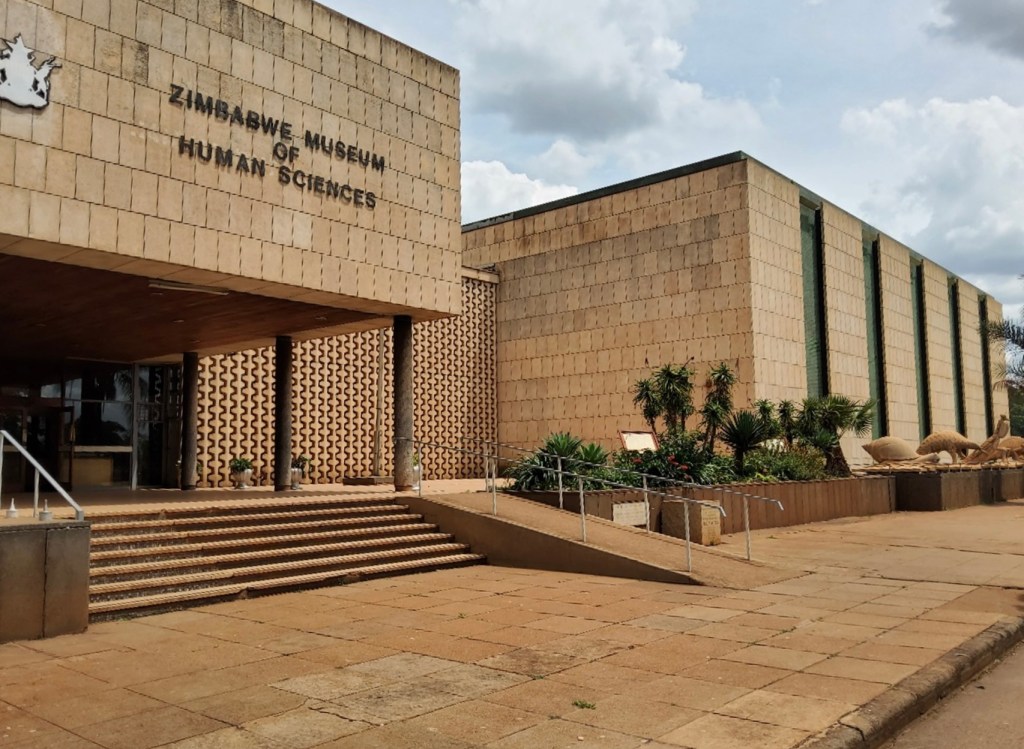
Written by – Tawanda Mushweshwe On 7 January 2026, I visited the National Museums and Monuments of Zimbabwe (NMMZ) Headquarters in Harare as part of my preparations for the upcoming archaeological fieldwork at Ziwa National Monument, scheduled for early this year. During the visit, I met with the Deputy Executive Director of NMMZ, Mr Munyikwa.…
-
Joining an archaeological think tank for climate resilience in Sweden
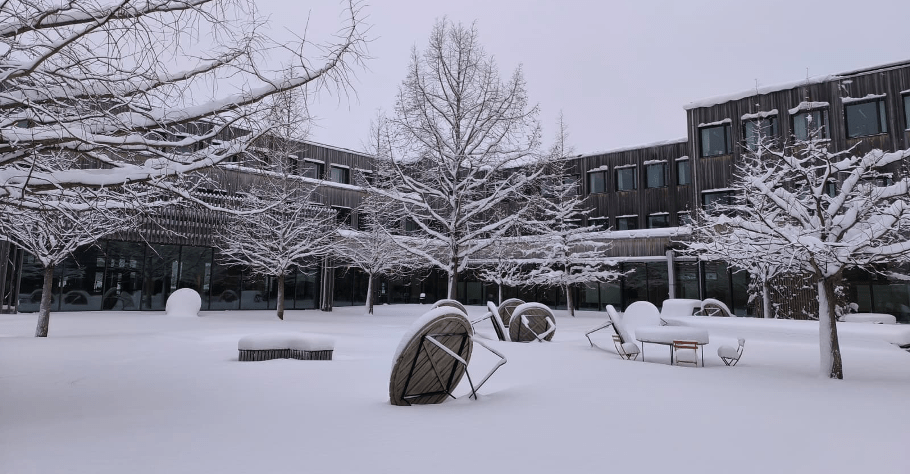
Written by – Sara Krubeck and Paidamoyo Chingono In early January, the two of us, Sara and Paidamoyo, were invited as AGRI-DRY delegates to the Swedish University of Agricultural Sciences (SLU, Uppsala) for a two-day workshop on another archaeological resilience research project called SAFAR: Surviving Aridification – A framework for ancient resilience. Our supervisors, Marco…
 AGRI-DRY